
Product Introduction:
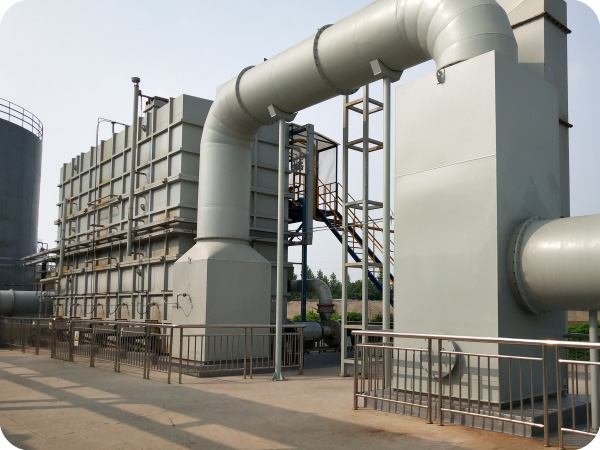
This activated carbon adsorption and desorption equipment for VOCS treatment targets low- to medium-concentration, high-volume organic waste gases generated in industrial processes. It utilizes a dual-stage process: "adsorption concentration + desorption regeneration." Its core components include an adsorption tower, desorption system, condensation recovery unit, and control system. Its modular design allows for flexible configuration based on waste gas operating conditions.
Product Features:
◆ Highly adaptable, precisely addressing low- and medium-concentration waste gases:
It is highly adaptable to common low-concentration, high-volume industrial waste gas scenarios (such as printing, coating, and packaging). It achieves efficient adsorption at room temperature without the need for high-temperature or high-pressure conditions, eliminating energy-intensive pretreatment and reducing operating costs. ◆ Compact structure and flexible installation: The footprint is only 1/3-1/2 of a regenerative thermal oven (RTO) with the same processing capacity.
Flexible layout (e.g., outdoor installation or indoor wall-mounted installation) allows for flexible plant layout to suit plant space, eliminating the need for large-scale civil engineering modifications and shortening the project installation cycle.
◆ Safe and reliable, with no secondary pollution risk:
The adsorption phase operates at room temperature throughout, avoiding the safety hazards associated with high-temperature combustion. The desorption phase utilizes low air velocity and low-temperature heating (typically 80-120°C) to prevent overheating and spontaneous combustion of the activated carbon. When equipped with a condensation recovery unit, organic solvents can be recycled, eliminating secondary exhaust emissions.
◆ Low investment cost and short payback period:
Compared to catalytic combustion (CO) and regenerative thermal oven (RTO), this device offers a 30%-50% lower initial investment cost. Its operating energy consumption is limited to the electricity consumed during the heating and desorption phases (no continuous high-temperature heating is required). This makes it suitable for budget-constrained enterprises that need to quickly achieve VOC emission standards. The investment can typically be recovered within 1-2 years through consumables savings.