
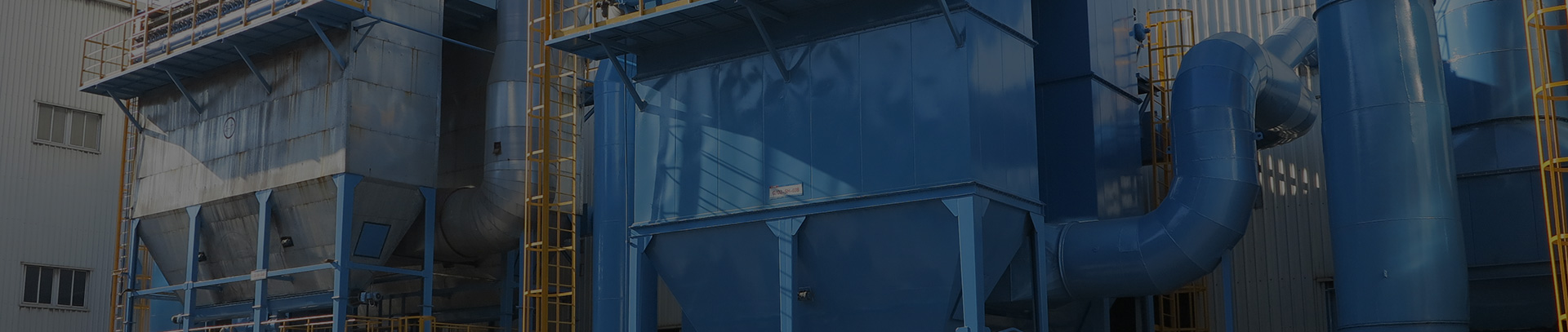
In the field of industrial dust control, bag filters, with their efficient capture capabilities, have become the absolute workhorse among numerous dust removal equipment. As a core environmental protection device, their performance directly impacts a company's compliance with emission standards and operating costs. Among all design parameters, filtration velocity is undoubtedly a crucial factor, directly determining dust removal effectiveness, equipment resistance, and filter bag lifespan.
What is filtration velocity?
Filtration velocity refers to the average velocity of dust-laden air passing through the filter bag's filtration surface per unit time, typically measured in m/min. In layman's terms, it's like breathing through a mask: too high a velocity creates high breathing resistance and allows dust to easily penetrate; too low a velocity improves filtration efficiency but requires a larger mask (filtering area). Therefore, selecting the right filtration velocity for a bag filter is a direct reflection of the dust removal equipment manufacturer's design capabilities.
How significant is the impact of filtration velocity?
1. Dust removal efficiency: Excessively high velocity can cause fine dust to embed deeply into the filter media fibers or penetrate directly, resulting in excessive emissions. At the same time, excessively high air speeds can cause dust removed after cleaning to reattach (re-entrainment), reducing cleaning effectiveness.
2. Operating Resistance: Filtration air speed is positively correlated with equipment operating resistance. Increasing air speed significantly increases resistance, leading to a sharp increase in induced draft fan energy consumption and significantly increasing operating costs.
3. Filter Bag Life: High air speeds increase dust erosion and wear on the filter bags. Frequent high-pressure cleaning also shortens the filter bag lifespan, directly increasing equipment maintenance and material costs.
How to Choose a Scientific Filtration Air Speed?
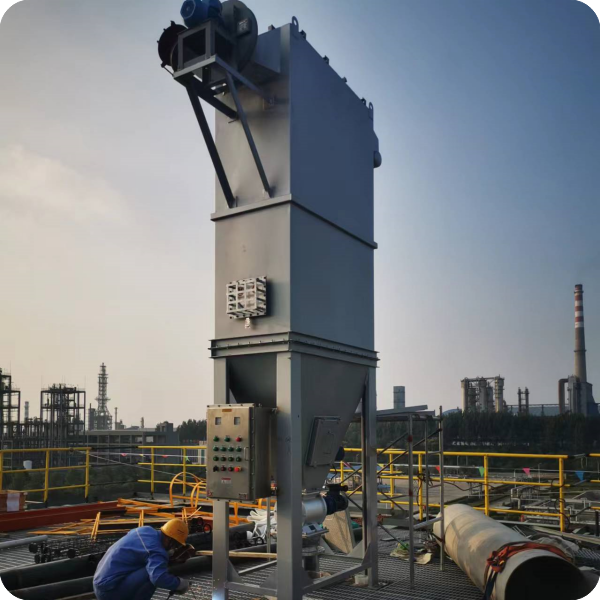
A professional dust removal equipment manufacturer will never provide a "one-size-fits-all" air speed value. The selection must comprehensively consider multiple factors, including dust characteristics (such as concentration, particle size, and viscosity), gas temperature, humidity, and filter media material. For example, for highly viscous and concentrated dust, a lower air speed (e.g., 0.8-1.0 m/min) is recommended; for dry, well-dispersed dust, a higher air speed (e.g., 1.2-1.5 m/min) can be used. Filtration air velocity is the soul of bag filter design. Ignoring it can hinder the performance of even the best dust removal equipment. When purchasing, companies must thoroughly discuss operating conditions with experienced environmental protection equipment manufacturers and determine the optimal air velocity through rigorous design calculations. This ensures ultra-low emissions while achieving the optimal balance between energy consumption and maintenance costs, truly maximizing the environmental and economic value of dust removal equipment.